

State and local governments don't always have to conduct lengthy procurements when responding to disasters or public emergencies. Through several General Services Administration (GSA) purchasing programs, these organizations can buy eligible products and services directly from contractors.
These programs can open opportunities beyond traditional federal customers by making your GSA Schedule available to additional government buyers during disasters, public health emergencies, and emergency preparedness efforts.
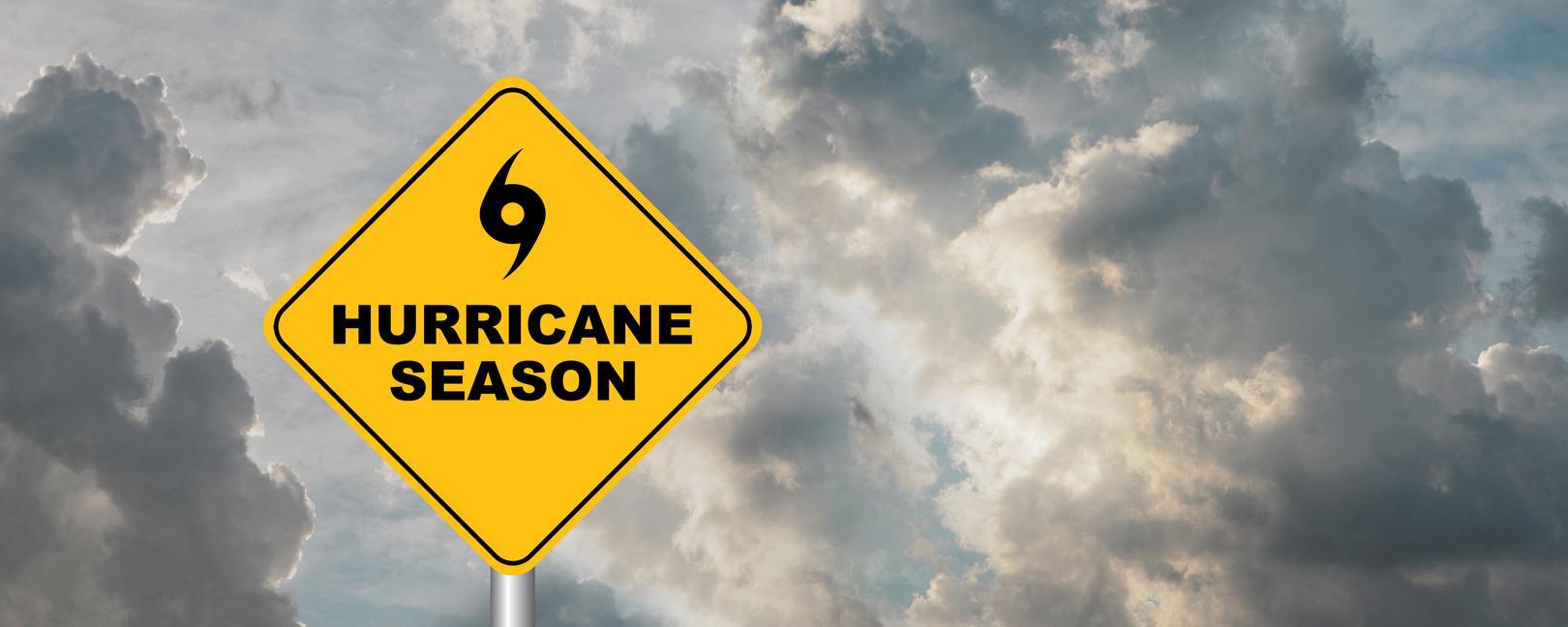
Especially now that we're officially in hurricane season, we can expect to see more need for these programs. In this guide, we'll explain the Disaster Purchasing Program, the Public Health Emergencies Program, and the 1122 Program, including who can use them and what contractors should know.
The Disaster Purchasing Program
When going through the GSA Multiple Award Schedule (MAS) proposal process, you will encounter the option to participate in the Disaster Recovery Purchasing Program as part of your offer. Under this program, state, local, educational, and tribal governments can use Federal Supply Schedules to buy products and services for disaster recovery, terrorism, or nuclear, biological, chemical, or radiological attacks.
The Disaster Recovery Purchasing Program applies to any disaster that is declared under the Stafford Act, whether they are manmade or natural. State and local government entities can buy a wide range of products and services through the program from all contractors participating in the GSA Schedules for recovery purposes. Examples of these products include, but are not limited to:
- Cleaning Equipment
- Power generators
- Temporary housing and home supplies
- Flood pumps
- Medical Supplies
Examples of services include, but are not limited to:
- Construction Services
- Emergency Training
- Trash removal services
- Distribution and transportation services
To find a list of current Schedule contractors involved in the program, you can refer to GSA eLibrary.
Public Health Emergencies Program
When a Public Health Emergency (PHE) is declared, certain state and local government organizations can also purchase from GSA Schedules using the Public Health Emergencies Program. Under the Public Health Services Act, non-federal entities can benefit from the GSA Schedules program in direct response to a PHE. The Secretary of the Department of Health and Human Services (HHS) may, under section 319 of the Public Health Service (PHS) Act determine that:
a) a disease or disorder presents a public health emergency; orb) that a public health emergency, including significant outbreaks of infectious disease or bioterrorist attacks, otherwise exists.
Examples of current PHEs include, but are not limited to:
- Typhoon Bavi and Typhoon Sinklau in Guam and the Commonwealth of the Northern Mariana Islands (CNMI)
- Opioid crisis
- Ongoing response to severe flooding and storms of Hawaii earlier this summer
It is important to note this program only applies to state, local, tribal, and territorial governments receiving grant funds in direct response to a PHE. The list of current PHEs is listed here and updated regularly.
1122 Program
The 1122 Program is designed to help state and local governments purchase products and services to support emergency response, counter-drug, and homeland security activities. This program allows entities to quickly and efficiently access the solutions they need. In addition to the General Services Administration (GSA), the Department of Defense (DOD) and Defense Logistics Agency (DLA) provide equipment for purchase to the participating states under this program.
According to the program's bylaws, both states and units of local government are eligible for purchasing. This includes the District of Columbia, the Commonwealth of Puerto Rico, the Commonwealth of the Northern Mariana Islands, and any territory of the United States.
To purchase through the 1122 Program, a state must have a certified State Point of Contact (SPOC). As a GSA Schedule contractor, it's recommended to check if your state participates to take advantage of this program. You can find a list of the active Points of Contact (POCs) on GSA's site.
Examples of supplies sold through GSA Schedules in this program include:
- Law enforcement vehicles
- Body armor
- Hazmat suits
- Drug testing equipment
- Surveillance systems
- Firefighting and rescue tools
- GPS
- Radios
- Cameras
- Software licenses
- Canine handling equipment
- Boats
- Telecommunication
- Generators
Learn more about GSA State and Local Government Purchasing Programs
Here's a brief recap of these three programs and when they can be used through the MAS program:
| GSA Program | Who Can Buy | When Program is Used |
|---|---|---|
| Disaster Purchasing | State, Local, Tribal, Education Entities | Stafford Act disasters |
| Public Health Emergencies | State, Local, Tribal, Education Entities | Declared PHE |
| 1122 Program | State, Local, Tribal and Education entities in participating states | Homeland Security & Emergency Response |
If you're ever unsure about a state or local government organization's eligibility, you can refer to GSA's eligibility determinations list. You can also submit a request for eligibility determination to GSA.
If you need help joining these programs or preparing your GSA Schedule for future opportunities, please don't hesitate to reach out to one of our consultants. We are happy to help you succeed in the government marketplace.